Legally on the Move: Professional Training – Ian Noble – E05
Welcome to the fifth and final episode of Legally on the Move: Professional Training, our brand
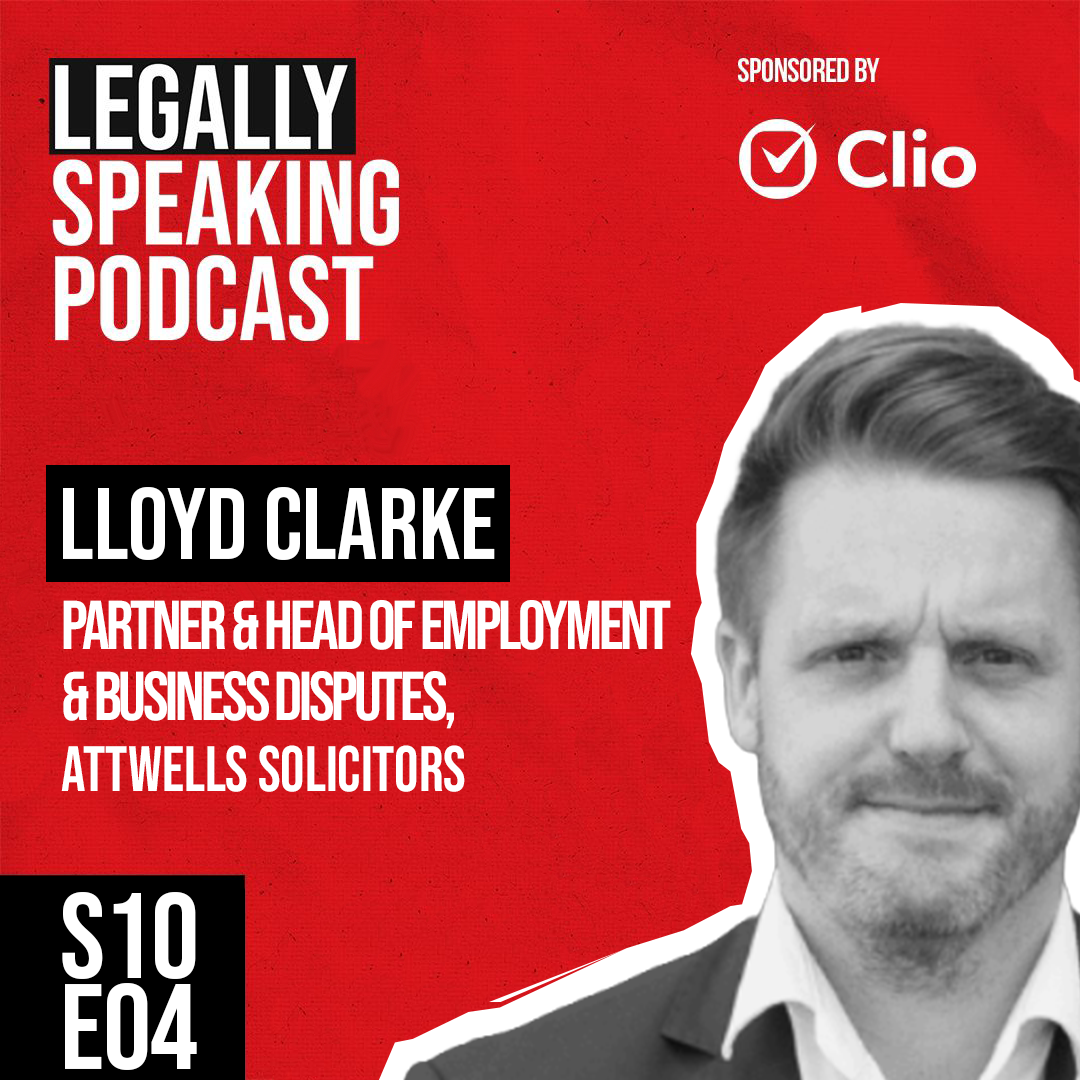
On today’s Legally Speaking Podcast, I’m delighted to be joined by Lloyd Clarke. Lloyd is a Partner and the Head of Employment & Business Disputes at Attwells Solicitors. He has wide-ranging experience across property, employment and business law. Lloyd is known for his practical, down-to-earth approach with clients. He is passionate about how changes in property and employment law are affecting both individuals and small businesses.
So why should you be listening in?
You can hear Rob and Lloyd discussing:
– Digital Footprints Being More Permanent Than They Appear
– Nuance in belief protection
– Employing Clear Policies and Training
– The Dangers of Reputational Harm
– Social Media & Online Presence Monitoring
Connect with Lloyd Clarke here – https://uk.linkedin.com/in/lloyd-clarke-2bb41b47
Robert Hanna (00:01)
So, very big warm welcome to the show, Lloyd.
Lloyd Clarke (00:05)
Hello, thank you very much for having me, Rob. Nice to be here.
Robert Hanna (00:07)
It’s a pleasure to have you on the show and looking forward to today’s discussion. But before we get into that, do have an icebreaker question or two for you, which is what is your favorite beverage and what is your preferred choice of footwear during a work day?
Lloyd Clarke (00:23)
They’re both really good questions. Favorite drink or beverage is going to have to be coffee. I mean, I live off coffee. I must say, I think that’s the one thing I’d struggle with ⁓ if I didn’t have that in my life, apart from my wife and my kids maybe. I think that sort of completes the top three. So yeah. Most of the time, black. So yeah.
Robert Hanna (00:32)
How do you take your coffee?
Okay, okay.
Lloyd Clarke (00:51)
Yeah, I don’t do things by half, of do it hard or don’t do it at all. so yeah, that would be my answer to that one.
Robert hanna (00:58)
I’m Footwear.
Lloyd Clarke (01:00)
Footwear, ⁓ if I’m not seeing clients, it’s gotta be trainers. We have a dress for your day policy here, which I love. I tend to wear a shirt, but I do wear shoes and a jacket suit if we’re seeing clients. ideally, a nice crisp pair of white trainers never goes amiss for me.
Robert Hanna (01:19)
There we go. Black coffee with white trainers. Don’t stain it. ⁓ Absolutely. Well, that leads nicely, I guess, onto talking a bit more about you and your background. So could you start by telling our listeners a bit more about your career journey and background?
Lloyd Clarke (01:22)
That’s it. That’s it. ⁓
Yeah, I mean, my career journey is probably slightly different or it was at least in my day. That makes me sound really old. I’m only 40, but it does make you realise how much you’re getting on. mean, I’m from a very working class background. First person in my family to ever go on to further education and that even includes college from a generation of builders. My dad was an electrician.
So it was a very different route that I took in the sense of sort of I wasn’t from sort of a learned lineage or anything like that with people in my family who were doctors or lawyers or anything like that. It was a very different route that I took, but I was fantastically supported by my family and I’ll always be forever grateful for that. So I sort of first thought I wanted to do law, was doing work experience when I was 15 at a local firm and that was to do with crime.
which obviously I’m no longer practicing in or have indeed ever practiced in, thankfully, I think, by all accounts. And then I went off to college. I studied law, loved it still, made the incorrect decision, as it turns out now, to go and study sports science because I thought it was going to be like one of those brilliant Lucas Aide adverts that you see on TV. Unfortunately, there wasn’t quite a lot of sport and there was a hell of a lot of science. So that only lasted three months.
Robert Hanna (02:41)
went off to college, I studied law, loved it still. Made it to the Inter-Ed team for Dandana, that’s where school science school is going to be like one of those brilliant movies out in Edburson.
Lloyd Clarke (03:02)
I then come out of university and ended up down on working on a building site for nine months. If that’s ever an encouragement to get back into further education, being on a building site when it’s about minus 10, it doesn’t come much better than that. I went back and studied law, which is probably what I should have done in the first instance. Went on to do my LPC. After that, once I finished that, was lucky enough to get a job where I am now. I’ve been here for 16 years, I think, so that’s a very, very long time.
Robert Hanna (03:28)
I’ve been here for 16 years. I think it’s a very, long time.
Lloyd Clarke (03:32)
I found that job when I started off working in conveyancing, which anyone will tell you I’m not a conveyancer at all. It’s not, it’s a
Robert hanna (03:33)
I found that job when I started working in conveyancing. wish anyone could tell you I’m not a conveyancer. It’s not.
Lloyd Clarke (03:42)
very difficult job. I think it’s somewhat of a bankless task, but it wasn’t, probably didn’t play to my strengths. So I ended up being given the opportunity, I’ve been offered a training contract and given an opportunity to build the employment law department and go on and qualify into it. So.
Robert hanna (03:55)
built the employment law department and go on and qualify into it.
when I went into the department, the only accountant for one descendant the first term, a year later, they’re accounted for 10 % So it’s been a really big growth and I’ve sort of driven it with as much energy as possible, built that department up and it’s obviously where it is today. I’ve gone on from being an admin assistant, standing at a photocopier all day.
Lloyd Clarke (03:59)
when I went into the department, it only accounted for 1 % of the firm’s turnover and a year later, it accounted for 10%. So it had been a really big growth and I’d sort of driven it with as much energy as possible, built that department up. And it sort of is where it is today. And I’ve gone on from being an admin assistant, standing at a photocopier all day,
copying documents, which is probably something very alien to people nowadays, but doing that to…
being a partner, I’ve been a partner here now for six or seven years. So I’ve made a partner at 33, which is still relatively young. And yeah, and it’s sort of grown and grown since.
Robert hanna (04:38)
What a journey and huge congratulations on what you’ve achieved and where you are currently as of today. Let’s talk more about your practice area specifically, because what areas do you specialize in underneath the employment umbrella and how broad is the practice at the firm?
Lloyd Clarke (04:55)
Yeah, mean, employment law is by its nature is very broad and particularly at the moment, we’re probably seeing how much it changes. It changes every time a new government comes in, the Labour have got a huge amount of policies that are looking to push through in terms of the employment rights bill. Quite how they’re going to fund all of this stuff and have the resources for it, I don’t quite know. But yeah, we deal with the full aspect of employment law. So whether you’re an employee, an employer.
We deal with SMEs to large businesses, international businesses, ⁓ care businesses, property businesses. It’s really wide and varied, but that’s one of the reasons why I love what I do, because very rarely do I ever have two days that are the same. They’re always different and you never know what’s going to be on the other end of the phone when it rings. It’s very challenging. It’s difficult. You have to stay on top of employment law because it is so fluid and constantly changing, but it’s an incredibly interesting area of law.
Robert hanna (05:28)
is really why I do this very rarely do I ever have two days.
Yeah, absolutely. I’ve always found it an interesting area of law and obviously running businesses as well. You know, I’m always sort of in talks with employment lawyers and all of that good stuff. You mentioned that no two days the same. I mean, could you give us a bit of a flavor of what typical day might be as someone operating at a partner and obviously indeed running a department in terms of head of employment and business disputes at Wells Listers?
Lloyd Clarke (06:12)
Yeah, mean, my roles, I have a number of different roles. So I’m partner, I’m head of the department. I’m also the client care partner because we’re huge on client care here. Anyone that goes on our website, we’ve won multiple awards for it. It’s a huge part of what we do and sort of our KPI for staff and our USP for externally. So I do that. I’m also a member of our management board as well. So we meet every week to review obviously how the firm’s doing, what we can do to improve it.
identify any problems as early on as possible. So I have a wide range. So no two days are the same. And what I would generally say is I spend the vast majority of my day speaking to clients. A lot of what we do is very reactive in the sense of the phone rings and what you thought might be a relatively straightforward. It can very quickly change. Yesterday I had…
three telephone calls within the space of an hour of agreements that need to be negotiated and drafted that day. So it’s drop hands, everything needs to be done. Sometimes you’re presented with things like injunctions, if there’s been any breach of confidence or restrictive covenants, which literally require you to drop everything and jump on them. And people, because of the nature of the work, generally contact you in a time of real need.
Robert hanna (07:29)
Yeah.
Yeah. And that’s the thing, isn’t it? And you have to be there. And that’s why if you’re being exceptionally client centered and really caring for them, understanding them, that was what sets you apart from probably clients feeling like just another number or just pushing through, ⁓ you know, the matter just for the sake of billable hours and so forth. I mean, your expertise, you know, as you, you sort of alluded to spans a whole spectrum, doesn’t it? So I’m sort of disciplinary grievance, proceedings, unfair dismissal, know, discrimination, negotiation of exit party packages, settlement agreements, et cetera, et cetera, et cetera.
Lloyd Clarke (07:40)
Yes.
Mm-hmm.
Robert hanna (07:58)
Can you tell us or talk us through a particular memorable case that stood out for you? And if so, why?
Lloyd Clarke (07:59)
Yes.
I mean, I think there’s been a few. We’ve dealt with some very high value business disputes as well, which is another area that I deal with, sort of half million, million pound settlements. We’ve dealt with some C-suite executives, some very high up, very well paid, very senior people. We’ve dealt with some very interesting employment law. mean, employment law again is something which throws up lots of different instances. You know, have claims to do with sexual harassment.
claims to do with discrimination, social media, which obviously we’re probably going to talk about a lot more in detail later on. It’s a bit of a hotbed for controversy and interesting topics really. It’s very rarely is it boring or dry in terms of what we do. There’s lots of different stuff. So we’ve recently been dealing with a case of a director who’s alleged to have been sharing explicit messages with a member of staff. That staff raised a grievance.
Robert hanna (08:41)
It’s a bit of a hot myth for controversy and interesting topics really. It’s very rare is it boring or dry in terms of what we do. There’s lots of different stuff. So we speak indeed with a case of…
and sometimes in a global you learn experience what might appear on the face it to be one thing is very different once you delve into it. people would assume that, you know, you’ve got a senior male employee or junior female employee, they would make their GPS version of it and would be cast when you’re actually deepening into it. There’s a point where…
Lloyd Clarke (09:04)
And sometimes with employment law, you learn with experience what might appear on the face of it to be one thing is very different once you delve into it. So most people would assume that, you know, you’ve got a senior male employee and a more junior female employee. They would make, there’d be aspersions that would be cast. When you actually get the into it, there’s a lot more detail
that’s involved in that. And when you are dealing with people who are in senior positions, they sort of have three hats. They can have the hat of an employee, the hat of a director.
and have a shareholder and there’s all different legal relationships, obligations in respect of each of those hats, which you have to deal with. You know, we deal with people sometimes in terrible situations, people, you know, really, really suffering from bad mental health issues, attempting suicide, things like that. And that’s when client care really comes to the fore in terms of what we do, because you have to listen, you have to make sure,
Lloyd Clarke (10:00)
you say, that people don’t feel like they’re a different number, that you’re not looking at them with pound signs in your eyes, but you generally care and you generally want to help these people. We’re a business, we have to make money. Of course we do ⁓ to stay afloat as such, but going that extra mile for clients, ringing them at eight, nine o’clock in the evening, if that’s the only time they can speak to you, five, six o’clock in the morning, calling them on the way into work.
you know, on the way home from work, things like that. Being responsive, they’re the things that make a big difference.
Robert hanna (10:34)
Yeah, and that’s what makes you set set apart, doesn’t it? And I think what you’re mentioning there as well as devil is in the detail, you know, some of those points you’re mentioning there. So yes, you might read the headline or have assumptions, but actually, it’s in the actual granular detail and knowing the right questions to ask as the qualified expert you providing legal counsel is super
Lloyd Clarke (10:40)
Yes.
Yes.
Robert hanna (10:52)
important. Just a little bit on your management style before we’ll lean into social media where you’re touching there. What is your management style in terms of, know, when you’re approaching things internally and perhaps also externally with managing cases, give us some, bit of a flavor of your approach.
Lloyd Clarke (11:08)
I think being proactive is incredibly important. What I always say to people that work with me is pick up the phone before the client picks up the phone to you. Be updating people, be on the front foot with this stuff because when people get snowed under and bogged down with work, it’s when they’re not being responsive and they’re not seeing things that are coming down the track with it. I have a very open door policy as do all the other partners here. I share an office with my staff, I don’t hive myself off.
I’m in here, they’re listening to my phone calls, I’m listening to their learning things constantly. And I tend to think that even in this age where people are working more remotely, especially with junior members of staff, if they’re sat in close proximity to you, they’re hearing the way that you’re speaking to clients, they’re understanding the way that you’re dealing with problems, and they’re much more likely to ask you a question if you’re sat three feet away from them.
then jump on a team, school or pick the phone up to ask that question. And it’s those human connections, I think, which are incredibly important. Probably the final thing I always say to people, especially when they do make mistakes, because we all make mistakes is you’ll always learn a hell of a lot more from your mistakes than you will your successes.
Robert hanna (12:13)
Yeah, I love that and I use the acronym all the time and people in the show probably sick of me saying it of lose you never lose its life offering some experience and that’s the way I break it down as part of that and yeah, it’s so true, know learning through osmosis in the environments being around people. I think there’s something for that. Like you say that quick
fire question, it might feel quite daunting to send a quick Slack message or a teams or an email about something, but someone’s next to you, you just tap them on the child and said, do you mind having a review of this? Or do you mind just asking this? Or how would you do this? Or go and grab a quick coffee. So there is definitely something in that, ⁓ for sure. And thanks again for sharing a bit more about your style and approach about being proactive. I’m really sort of advocate for that as well. if you want something, you want to get ahead, go and make it happen yourself and be proactive. Okay. Big part of today’s discussion. can’t get away from it. Social media. So you specialize obviously in employment law.
Lloyd Clarke (12:37)
Yes. Yeah.
Yes.
Robert hanna (13:00)
But the use of social media has reached an all time high. We’re all on it. We’re all part of that world. How can social media hosts impact employment?
Lloyd Clarke (13:11)
in lots of different ways. mean, some statistics that I looked at for today, even I was shocked with and I deal with this quite a lot. 97 % of UK workers access social media at work, which is incredible. And on average, they’re spending nearly an hour and a half a day on it. And only 5 % of that is dedicated to work, which is in itself, you can draw it. And nearly half of all employers have taken disciplinary action against their staff for the use of social media at work.
Robert hanna (13:23)
Wow.
Heh.
Lloyd Clarke (13:41)
It’s so important. There’s positives and negatives. In positives, it can enhance your professional reputation as an individual. LinkedIn done well is a fantastic thing. I’ve used it as a good tool in terms of my career progression and stuff like that. But equally, if an employee is using social media, and we tend to see it more on platforms such as Twitter or XNow, Facebook, if they are using that incorrectly or they’re misusing it, it can cause a hell of a lot of damage to them.
Robert hanna (13:51)
Yep.
But equally, if an employee is using social media and they tend to see it more on platforms such as Twitter or X now or Facebook, if they are
Lloyd Clarke (14:08)
and their reputation as well. And that is largely what a lot of these cases and the developments around this area of law are, is that where employees have sort of misstepped, as it were, in terms of comments that they’ve made, even outside of work. And that’s something that as lawyers, we probably understand better than most because we know that what we do in and outside of work is reflective of us as an individual and we’re heavily regulated. But I don’t think it obviously applies for other people and for employers as well.
Robert hanna (14:30)
Yeah.
Lloyd Clarke (14:38)
there’s always the kick that they can be vicariously liable, so liable for acts of their employees that are done in the course of employment. And over recent years, what is considered in the course of employment has expanded quite considerably. And social media, probably at its worst, is a permanent record of what you’ve said.
Robert hanna (14:56)
Yeah.
Yeah, it’s so true. And I love that you referenced LinkedIn done well can be really great. And it’s been useful for your career progression. It’s something I advocate for, you know, the show my own business building a personal brand, I owe a lot to a platform like LinkedIn. And I remember someone said to me very early on, if you’re going to be online, treat it as if you’re offline, ie, if you’re going to put something out in writing, you should feel comfortable saying that to someone to their face in a meeting at that point in time, don’t sit behind the keyboard.
Lloyd Clarke (15:03)
Mmm.
Mmm.
Yeah. Yes. Yes.
Robert hanna (15:24)
and write things that perhaps you wouldn’t be comfortable doing because ultimately that’s the same version of you be the person you are offline, online and bring that to you. Okay. Let’s talk about employment disputes now, maybe some, some sort of evidence around it. Have you noticed an increase in cases where social media posts are used as evidence in employment disputes?
Lloyd Clarke (15:43)
Yes, I think that’s growing more and more because people use social media to vent, rightly or wrongly, about these things. And I think a trap that some employees will fall into is that if they’re on Facebook, for instance, and they have a private profile, so only the people that they’re friends with on Facebook can access it, they sometimes think they have carte blanche to say what they want and that will never sort of escape that circle of trust.
case law and everything else and common sense probably to some degree says that inevitably it does. And there’s even been cases where people that have had a private Facebook or social media profile have made comments and even friends within that network have then reported them to their employer in respect to things that they’ve said on there. So that is where this stuff is becoming more and more prevalent. it is going, I think it’s going to with AI and things like that as well. think it’s just going to get bigger and bigger.
Robert hanna (16:35)
Yeah, no, absolutely. Is there a top tip you would say to employees from common mistakes? It sounds like, you know, that’s pretty common what you see. Is there any other sort of common mistakes you see employees make online that ultimately affects their jobs and maybe some tips you would give to them to avoid?
Lloyd Clarke (16:49)
Yeah, I mean, I would always think carefully before you post. Always better to have a private profile than a public profile is what I would say. Private is by no means, like I say, to give you carte blanche, but it does limit the exposure effectively if you do make a misstep online. Who sees that potentially is drastically reduced. And just making sure that
And a lot of firms now will have policies around this where they’ll say, put a disclaimer on any social media profiles to say that those views are your own and they’re not reflective of the organisation that you work for. Those would probably be the first things that would come to my mind in terms of what employees should do.
Robert hanna (17:29)
Okay, so that’s good advice. And thanks for sharing that. Although not advice is just educational purposes. Let’s caveat that that is a podcast. ⁓ Yeah, absolutely. And we’ve talked about the employee side. Let’s flip it now to the employer side, then what kind of actions can employers take when staff post about work and how our employers actually monitoring employees social media activity?
Lloyd Clarke (17:35)
Good disclaimer, good disclaimer.
It’s always a very difficult balance to strike because you don’t want to interfere with an employee’s private life and their right to freedom of expression. we’re talking about the European Convention on Human Rights. And again, there’s been a lot of case law around this stuff, more so with people expressing what some would consider controversial opinions ⁓ in terms of gender identity and things like that. But I think from an employer’s perspective, the number one thing you should do.
above all and it’s and a quarter of all employers still don’t have one social media policy is so important to have it have a standalone policy and two biggest tips that you can do probably with any policy but particularly ⁓ with a social media policy make it simple and make it clear don’t have a 15 page document people will never read it people might not understand it have something short sharp setting out what’s expected of them
what the consequences are, what steps they have to take to protect things like proprietary information, confidential information, and link it all back in terms of things like the ACAS code, which is overseas, what employees should do generally, and should always be a reference point when you’re drafting or looking to discipline someone. That is absolutely key. So that is the number one tip that I have is to make sure that you not only have a policy, but any policy you do have.
make sure that it is simple and clear.
Robert hanna (19:17)
There we go, folks, the good old kiss principle. It’s simple, stupid. Absolutely. So true though, isn’t it? And, you know, I always say a lot about this. It’s better to be clear than it is to be clever. Getting people lost with words or legalese or particularly people in the organization don’t come from any form of legal background or don’t have an understanding of those. You’ve got to write for your audience and keep it in plain English. And actually having hosted a whole raft of lawyers on the show over the years, you know, the top, top, top lawyers that are executing on billion dollar transactions. When you talk about the
Lloyd Clarke (19:24)
Mmm.
Yes.
Mmm.
Yes.
Robert hanna (19:46)
quality of the transactions and documents they put together. say, we keep it simple. We don’t put the jargon in there. Keep it simple, clear, simple to understand as best as we can. So it’s obviously tight and we use the right appropriations of language, but we’re not stuck on just trying to overly trying complex documents for the sake of it. And I think that’s some really good advice because then you can hopefully get a good understanding, good level of adoption and hopefully the social media policy then did too. Okay. Let’s go about misconceptions about rights because you’ve touched on this. So
Lloyd Clarke (19:50)
Mm-hmm. Yep.
Robert hanna (20:14)
What misconceptions, firstly, do employers often have about their rights over their staff behavior online?
Lloyd Clarke (20:21)
I think it’s probably being too heavy handed in terms of monitoring. monitoring staff, you know, should very rarely should you ever monitor what a staff does outside of work unless it’s obviously brought to your attention. If there’s excessive monitoring, you can get yourself in trouble with that. think unless there is targeted monitoring, so someone’s brought something to your attention and you’ve then investigated it and you’re making sure that you’re doing that in line with any policy or procedure, making sure it’s objective, making sure it’s fair.
you have to be careful. And the probably even bigger mistake that people make is, as the case law shown in this area, an employer, there’s an obligation on an employer to show that there is actual reputational harm rather than what a lot of people do is they seem to imply or think there’s going to be reputational harm or risk. So people will say if it’s a comment that they don’t necessarily agree with entirely, they go from zero to 100 and these disciplinary action can be knee jerk.
and they can try and please people or crowd please other people in the organization who might be outraged at what might not be an outrageous statement. So I think always be calm and measured with your approach. Take your time. Don’t react too quickly. And don’t be too heavy handed with employees as well because, as we’ve seen in recent years, people do have a right to express opinions, some opinions which can be controversial.
Robert hanna (21:43)
Yeah. Yeah. And again, thank you for being very clear on that as well. And hopefully this is going to help a lot of organizations and perhaps employees as well, just get more clarity around this bit of a minefield. And is only going to continue to grow with the number of social media platforms and indeed, like you say, the time and dwell time people are having on these platforms. Okay. ⁓ Just to kind of make things clear for people, top three tips for companies looking to balance employee privacy, along with protecting the company’s reputation. What would be like your absolute
Lloyd says top three tips go away and take these away. that’s all you take away as an employer from this podcast.
Lloyd Clarke (22:18)
Monitoring is not a free for all. That’s probably the first thing I would say. ⁓ You can set rules for it, but just make sure that you’re able to justify those rules ⁓ and have a clear and simple policy. Those have been my three things.
Robert hanna (22:36)
Love it. And simple, clear answer. Thank you. Okay. Okay. Let’s flip the script again then for those that, you know, cause social media is powerful. You know, it can help you get jobs. It can help you get mentors. You know, I do advocate for using social media. So this has been a really interesting discussion. So what advice would you give to someone who’s keen to use social media to show insights, maybe into their career, build a personal brand, but also whilst being respectful of the company they work for.
Lloyd Clarke (23:03)
I think if you have to think twice about whether you should post something, don’t post it. That’s probably simple advice. I think be yourself. I think sometimes people will wonder why they struggle to build a personal brand. Be different. You don’t want to be in an echo chamber where you’re saying the same thing that everyone else is saying, cutting and pasting comments from other people. You might not always get it right, but at least you’re being sort of original.
Robert hanna (23:21)
Mm.
Lloyd Clarke (23:32)
with what you’re doing. think that’s so important now because everyone’s got a LinkedIn profile. Everyone is making comments on cases, whatever it might be, their profession is be original. And also look around and learn from people who do it well. Don’t copy, but learn from what they do in terms of if someone’s got a large following, what’s the reason they’ve got that following? How are they engaging with their audience? I think that’s really, really important is to try and learn with it. above all, just be yourself.
I think obviously within reason. yourself is incredibly important and stand out because that is how you stand out rightly or wrongly.
Robert hanna (24:05)
Yeah.
Yeah, I totally agree. Always talk about ABA, always be authentic, right? The way you are, you know, go out there and be your true authentic self. But like you say, in line with understanding, perhaps what your social media policy might be of your organization. you know, ultimately, like you said, if you’re having to read it twice, or there’s there’s doubts that you’re worried that that could be then maybe think very carefully.
Okay. Is there any recent cases, know, any landmark cases about the use of social media in the workplace that you could share with us or people could maybe go and reference and then dig into this deeper.
Lloyd Clarke (24:37)
Yeah,
mean, some people might know, I mean, probably, probably, they’re split into two areas generally. So what you generally have is you’ll have cases on social media that you deal with reputational damage to the business as a standalone. And then on the other side of things, you’ve got probably a bit more, the more contentious, controversial, especially because opinions and beliefs now are probably more polarised than they’ve ever been, is in terms of protective belief. probably the first one dealing with reputational damage was a case of
Crisp versus Apple Retail. So in this case, Mr. Crisp had a Facebook profile and he had a group of friends, private Facebook profile. He made some commentary on there about Apple products, obviously wasn’t very favorable, and made some comments about the workplace as a whole again, which weren’t overly favorable. One of his friends on Facebook took a screenshot of these comments and a colleague and reported it to his employer.
His employer subsequently disciplined him and dismissed him. He bought a claim for unfair dismissal. His dismissal was held to be fair. And again, this goes back to that same point I’ve talked about. What was the reason why in this case an employment tribunal thought that his dismissal was fair? There’s two standout reasons. First reason being Apple had a clear and simple social media policy which set out how important their image was to them. First thing. Second of all, they provided staff
Robert hanna (25:52)
Apple had a clear and simple social media policy to set out how important their use
Lloyd Clarke (26:04)
they provided training to their staff on that policy and the consequences of breaching that policy. Two key takeaway points from that. So his dismissal was held to be unfair. The much more contentious side of it and probably the side that gets a lot more ⁓ news. We’ve got the case of sort of mayor Fawcett, which was about gender rights, but probably the one that’s more recently is the case of Higgs versus Farmer Schools. So at the moment,
The school is appealing this to the Supreme Court, so it’s gone all the way through. As the law stands today, the facts of the case were that Mrs Higgs worked at a, I think it was a Catholic school. She worked there for six years, good employee, no performance, no disciplinary issues whatsoever. ⁓ I understand that she was a Christian and she, I think she recycled some comments on Facebook.
regarding again things around gender identity and same-sex. This was seen by one of the parents at the school and this was reported to the school. Now when they reported it to the school they alleged that her comments were homophobic and prejudiced and they were placed on her Facebook account. She was suspended and eventually she was summarily dismissed.
So the school said that she was dismissed on the basis of dismissed for gross misconduct. So most serious element of conduct was because firstly, she violated the school’s conduct policy. It’s not the social media policy, the conduct policy. And secondly, because there was ⁓ prohibited discrimination and inappropriate use of social media. In response, she brought an employment tribunal claim and she alleged that this her dismissal amounted to direct discrimination and harassment.
Robert hanna (27:35)
was because firstly, she violated the Civil Conduct Policy, the non-social media policy, and secondly, there was discrimination and inappropriate use of social media. In response, she brought an employment tribunal claim, and she alleged that her dismissal amounted to direct discrimination and harassment
based on her religious beliefs. that’s Section 10 of the Equality Act.
Lloyd Clarke (27:57)
based on her religious beliefs. So that’s section 10 of the Equality Act.
So it doesn’t just cover your strict religious beliefs, if you have a religion, Christianity, Islam, whatever it might be, but it also protects philosophical beliefs, so beliefs that will fall outside of a strict religious structure. She said that she was discriminated against because of her beliefs regarding sex, gender, marriage, and her disbelief in
gender fluidity and it’s important here as well to say that the legislation covers not only a belief but a lack of belief in something so that’s quite important. It eventually has gone up through several courts. The most recent decision was held that that dismissal was disproportionate and it was discriminatory. There was no evidence that the school’s reputation had been
damaged or harmed, which brings back to the point again, the risk where people will assume reputational risk or harm when it doesn’t actually exist. And there was no evidence that her manifestation, so the way that she was communicating her beliefs, was in any way affecting her performance at work. So on that basis, the dismissal was discriminatory. As I said, that decision is being appealed now to the Supreme Court. But again, it really highlights that
if an employer is looking to take action, especially with things such as protective beliefs, they really have to walk a fine line. They need to make sure that anything that they do is proportionate and objectively justifiable and not to jump to conclusions. Because I think that may have been the mistake that was made here by this employer is that there was parents who were quite outraged by this and they didn’t really look at it any further.
and it wasn’t investigated further and there wasn’t really much consideration given to
Robert hanna (29:43)
Yeah.
Lloyd Clarke (29:49)
the right for someone to hold such beliefs.
Robert hanna (29:52)
And
that’s why context is so important and you know, not just getting caught in certain headlines or comments and like you say, having those levels of detail and obviously not to hold you to this, but just sort of your opinion. Which way do you think that’s going to find? Which way is that case going to close in your opinion?
Lloyd Clarke (30:09)
I feel like the decision will be upheld. So I feel again that Miss Higgs will be successful in that. That would be my gun to the head ⁓ assessment.
Robert hanna (30:16)
Okay. Okay.
Yeah, and you’re absolutely not not not held to that either way. Just just
curious. And you know, thank you for giving some really interesting cases there. And, you know, again, just giving some really good context for us all to understand and take away to ensure that you know, we’re not doing anything incorrect. And you’ve talked a lot about social media policies, and rightly so in terms of having them and making sure that you know, there’s training and, you know, perhaps as part of inductions, it’s a good thing to make sure that it was really stressed. So you know, with the Apple cases,
Is there anything else employees should include in a social media or communications policy that you haven’t touched on or would like to just stress further?
Lloyd Clarke (30:56)
I think maybe the scope of that policy just to make sure that people understand it does apply to conduct outside of work. So it’s not just work when you’re in the office nine to five or whatever it might be, but it actually does apply outside of work. So I think that’s a really clear thing to say as well as to make sure that people understand that just because they’re not in the office or it’s not something hugely linked to the employment in particular, that they can be subject to it.
And so yeah, that’s probably one other point I’d make.
Robert hanna (31:28)
Yeah, no, absolutely. I guess on the flip side of that, again, just playing a little bit of devil’s advocate here, we focused a lot on this on perhaps the negatives to the employer, but I actually see the personal brand and employees using social media as a super positive, particularly lawyers. And, you know, there’s Simon Meichel now who runs LinkedIn influencers and has rankings for tables of lawyers and utilizing. So is there things, maybe employees, if they already have a following on LinkedIn?
Lloyd Clarke (31:43)
Mmm.
Robert hanna (31:57)
And maybe they already have a brand that might be moving jobs to a new employer might want to think about negotiating. So they don’t get their voice lost or potentially trying to negotiate in contracts as terms of a look, this is the way I roll. And actually this has been really successful for my current current firm. And this is the level of new business that’s maybe brought in, or these are new opportunities. It’s bought them or other things they can be maybe thinking about from that perspective, from a more positive perspective on this.
Lloyd Clarke (32:15)
Mmm.
For sure. I think that, I mean, one question that you tend to get when you’re going for more senior positions is, you know, do you have a following? And I think that there’s a traditional context of, you can bring some clients along with you, but I think we’re now entering this phase where we’re going to be looking at LinkedIn followers. Are we going to be saying this person, this person’s not only got value because they’ve got, you know, some big clients they can bring over in a traditional sense, but also
Robert hanna (32:28)
Yeah.
Lloyd Clarke (32:48)
they have an audience, they have a captive audience that can bring work not only to the door, prospective work to the door for themselves, but also for the firm wider. So yeah, I mean, it would sort of be a kind of image rights for footballers, wouldn’t it? That’s sort of very what we’re getting into. So I don’t think it’s out of the question in the coming years as well. I say, I it’s a growing area and I think it’s gonna be something where you’re seeing, I mean, lawyers I think as…
Robert hanna (32:59)
Yeah
Lloyd Clarke (33:14)
and it’s huge stereotyping as somewhat inward individuals. They’re not generally, they’re not hugely confident and things like that with it. but I think that that’s, that’s very much changed in recent years and people are being a little bit more exuberant and stuff like that with the way they present themselves and being more outwardly, outwardly to the public. So I think for sure, that’s definitely an area of growth going forward.
Robert hanna (33:40)
I think so as well. And I think there’s just mass opportunities for firms that embrace that as well, because there’s this talent there, you know, particularly with the creative writings, and you know, lawyers typically are pretty, pretty creative and good at finding solutions. So yeah, I think watch that watch the space, particularly as time time goes on. Okay, you’ve touched on a couple of tribunal points before, but I just want to go again deeper, just so our guests, sorry, our listeners really have some practical tactical things to take away. What factors
Lloyd Clarke (33:47)
Mmm.
Mmm.
Robert hanna (34:06)
do tribunals usually consider when deciding if disciplinary actions should be taken regarding social media posts?
Lloyd Clarke (34:17)
Being on a more practical level, think, is the comment is the comments that have been made, are they offensive objectively? I think there’s a complicating area, a massive complicating area, obviously, it depends on the context is, is to whether there is a protected belief. So what we talked about earlier in terms of the case of Higgs, Vorstead, things like that, because they are the cases that tend to generate
a lot more controversy, a lot more headline stuff like that and employers need to walk very carefully when doing that. A tribunal in those instances will look at well was the response proportionate or was it out of all kilter in respect of any discrimination claims? Was it objectively justifiable? So was it reasonable for them essentially to do what they did in all the circumstances?
have to consider that it’s not only beliefs that are protected, but it’s the manifestation of those beliefs and lot of these case stories around the way that these beliefs are not held but necessarily manifested, the way that they’re communicated, something that come out of forced data. And again, this all depends on, know, every judge has a different take on it. A judge essentially commented in that case that it would be very much at the extreme, you know, things like Nazism, for instance, that would be considered
police that wouldn’t be protected. it’s getting wider and wider with it, with all of this stuff. But I think employees need to be a little bit more switched on in terms of, and maybe something that people are coming to a bit more to the fore now is it is a permanent record. It is something that people will jump on. And if an employer does have a clear policy around it and sets out that there are disciplinary sanctions, you could get yourself in trouble for it.
Robert hanna (36:04)
Yeah, and again, thank you for sharing that. Okay, again, quick fire question. Someone brings up a claim about a post that has been out there, that’s now deleted, not the public domain. What does that lead for people? They could say, what’s the problem? I’ve deleted it.
Surely time moves on or actually, I can say it’s a permanent record. So regardless of you deleting it, where does that stand? Give us give some context or some thoughts around that.
Lloyd Clarke (36:25)
Yep.
Yeah, it does. mean, I think if I was if I was in that individual’s position, I would be saying to the employer, well, can you evidence that there’s been any reputational harm which has been caused to the business as a result of it? How was it brought to your attention, for instance, if obviously 15 people have reported it they’ve been absolutely outraged? It’s very different to if it’s one person that’s done it. If that profile is private as opposed to being public, it means that the breach of that comment, that comment, whether it’s deleted or not.
is much further potentially than what it would be if it was a small pool of people. And the fact that that comment was deleted would mean that potentially it’s no longer available. At least people might have of course like screenshot it and things like that, people can get around this stuff, but it’s not in the public arena anymore. So I think there’s a number of mitigating factors in there that you could suggest to say, well, any disciplinary action, severe disciplinary action probably isn’t warranted, depending on the context of what they’re saying physically.
Robert hanna (37:25)
Yeah, and again, it just shows knowing the right questions to ask, like you articulated there is so important. That’s why getting legal counsel earlier might be the right thing to do rather than probably, you know, suffering in silence if you are in that sort of situation. Okay, I want to talk about some of the wider work just briefly before we look to close because you also host seminars on legal issues affecting the care sector for members of the Suffolk, I think, care association and the Essex care association. So what do you most enjoy about sharing your knowledge with those in the community?
Lloyd Clarke (37:28)
Mmm.
Mm-hmm.
⁓ I think engaging with them, it’s a great opportunity in the sense that when you do seminars in any sector that you could replicate that in hundred phone calls. If you’ve got all of these people in that one room, it’s an incredibly efficient way to sort of communicate about you and about case developments and stuff like that. And I think something that you probably don’t get on the phone is you actually get a lot more industry and sector knowledge because you’re having those conversations around funding.
deprivation of rights, things like that, that you wouldn’t normally get exposure to. It’s very specific, don’t get me wrong, but you’re hearing those conversations that they’re having with other stakeholders that you wouldn’t ordinarily be exposed to. And I think that when you stand up on stage or seminar, whatever it might be, and you talk about something, people instantly have more confidence in you. They identify with you, they build a rapport with you.
There’s that human connection there, which you probably don’t get if you’re drafting an article with legalese and things like that. You know, they can come up to you, they can speak to you afterwards. can, I’ve gained a lot of clients by doing that, by actually meeting people. I ever have an opportunity, I will always try and meet someone face to face. Cause I think now it’s probably a bit of a lost art in terms of building that human connection with people. And it’s so important.
Robert hanna (39:16)
Yeah. And I love that you talk about that. And we talk a lot about that on the show and you know, it’s well documented. We’re no longer in this B2B or B2C world. We’re in this H2H, that human to human connection and people are craving human connection. And clearly you’re doing a great job of that and wider things for other communities, which is fantastic. Lloyd, this has been a really fascinating, eye-opening discussion. Really appreciate your insights. What, before we look to close, would be your final piece of advice?
for those interested in pursuing a career in employment law specifically.
Lloyd Clarke (39:47)
⁓ Hard work is the basis of everything I think, it’s really important. It’s very hard work but if you love what you do it makes every day easier. It sounds corny but it’s true, you don’t want to be stuck in an area that you don’t enjoy. I think with employment law it’s incredibly interesting, it’s changing all the time, it’s so important to keep up to date with employment law.
And it is everywhere. It’s one of those areas of law, is you’re always finding stories on BBC News, on Sky News, whatever it might be. It’s not something, for instance, like other areas of law, copyright law that might be buried on LexisNexis or Westlaw. It’s constantly in the public consciousness. So it’s quite easy to stay up to date with it and get access to it. And I think just get as much experience at an early stage as you can, even if that is going and sitting in an employment tribunal.
Robert hanna (40:26)
in the public consciousness. it’s quite easy to stay up to date with it and get…
Lloyd Clarke (40:41)
sit in there, see how the advocacy is done, see how the issues are discussed. It’s so valuable and to do that when you have the time and you’re at the start of your career or trying to get a career started is so important.
Robert hanna (40:52)
Yeah. And again, great, great tips and advice. And like you say, if you’re not enjoying something as well, you’re not a tree move, right? Go into a new environment. And you know, like you say, it’s really exciting employment law. No two days, the same as you’ve articulated lots of great things. ⁓ very, very exciting. And I’m really excited to have had this conversation today. And if our listeners probably no doubt will want to know more about you or indeed get in touch with at well solicitors, where can they go to find out more? Feel free to share any websites, any social media handles will also include them in this website and website and this episode for you too.
Lloyd Clarke (41:03)
Yeah, I mean, we have a huge following on TikTok. I’m not part of the TikTok, unfortunately, but we do have a huge following. Yes, yes, yes. Yes, I have appeared only in a couple of them. I’m not quite as prolific as other members of our team. Our CEO, Nick Atwell, is a bit of a TikTok star. So I’m very much the Diet Coke version of him when it comes to that. So yeah, we’ve got a very big following on TikTok, Facebook, our website, www.atwells.com.
Robert hanna (41:27)
A fantastic TikTok account, has to be said. Funny videos.
Yep.
Lloyd Clarke (41:50)
⁓ All my details are on there. People are more than welcome to get in touch with me by phone or by email. ⁓ And we’re happy to discuss and help people in any way that we can.
Robert hanna (42:00)
Well, that just leaves me to say thanks so much, Lloyd. Really enjoyed today’s discussion. It’s been an absolute pleasure having you on the Robert Hannasponsored by Clio, wishing you lots of continued success with your career and indeed future pursuits. But for now, from all of us on the show, over and out.
You may also tune in on Goodpods, Apple Podcasts, Spotify, or wherever you get your podcasts!
Give us a follow on X, Instagram, LinkedIn, TikTok and Youtube.
Finally, support us with BuyMeACoffee.
🎙 Don’t forget to join our Legally Speaking Club Community where we connect with like-minded people, share resources, and continue the conversation from this episode.
Sponsored by Clio – the #1 legal software for clients, cases, billing and more!
💻 www.legallyspeakingpodcast.com
📧 info@legallyspeakingpodcast.com
Disclaimer: All episodes are recorded at certain moments in time and reflect those moments only.
Welcome to the fifth and final episode of Legally on the Move: Professional Training, our brand
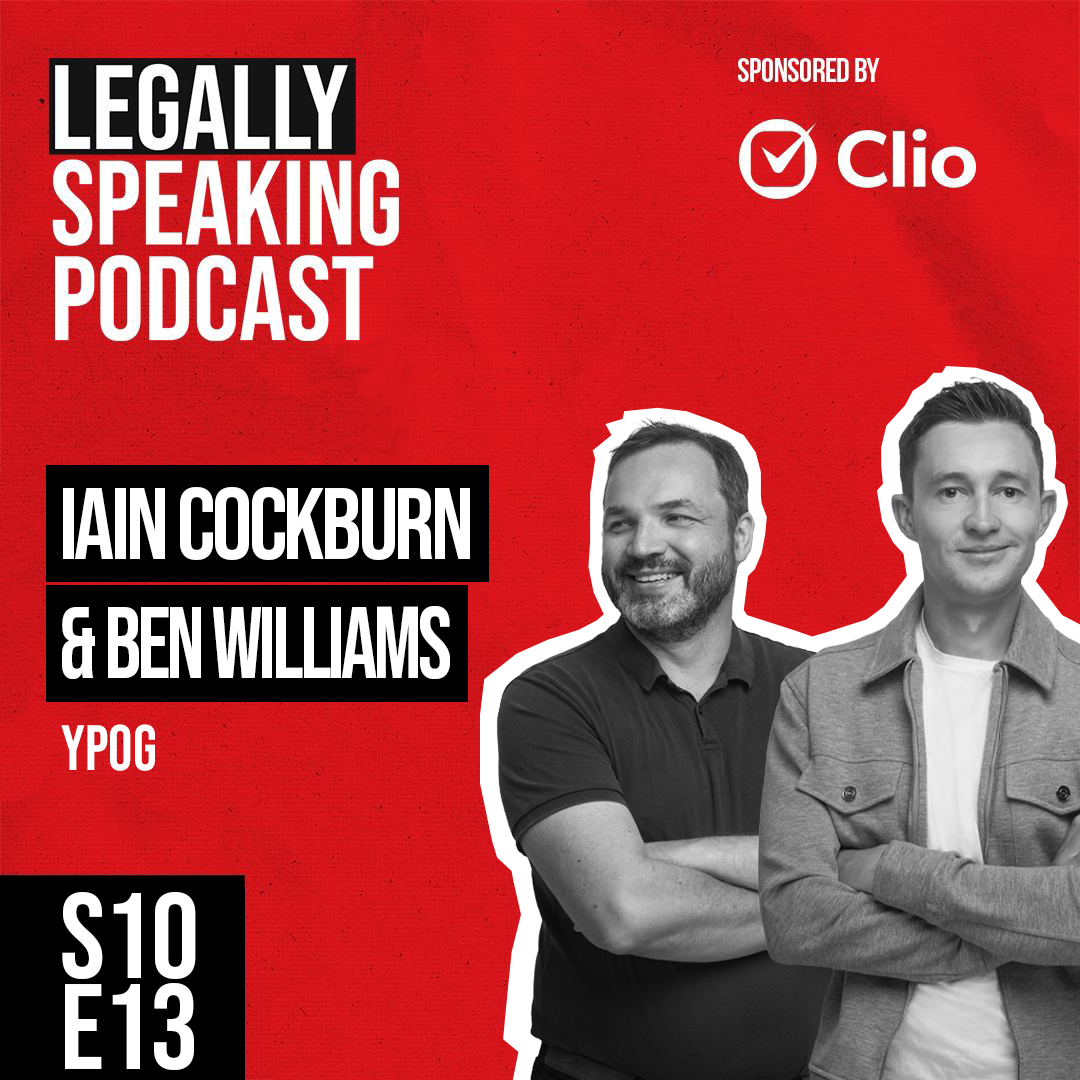
On today’s Legally Speaking Podcast, I’m delighted to be joined by Ben Williams and Iain Cockburn.
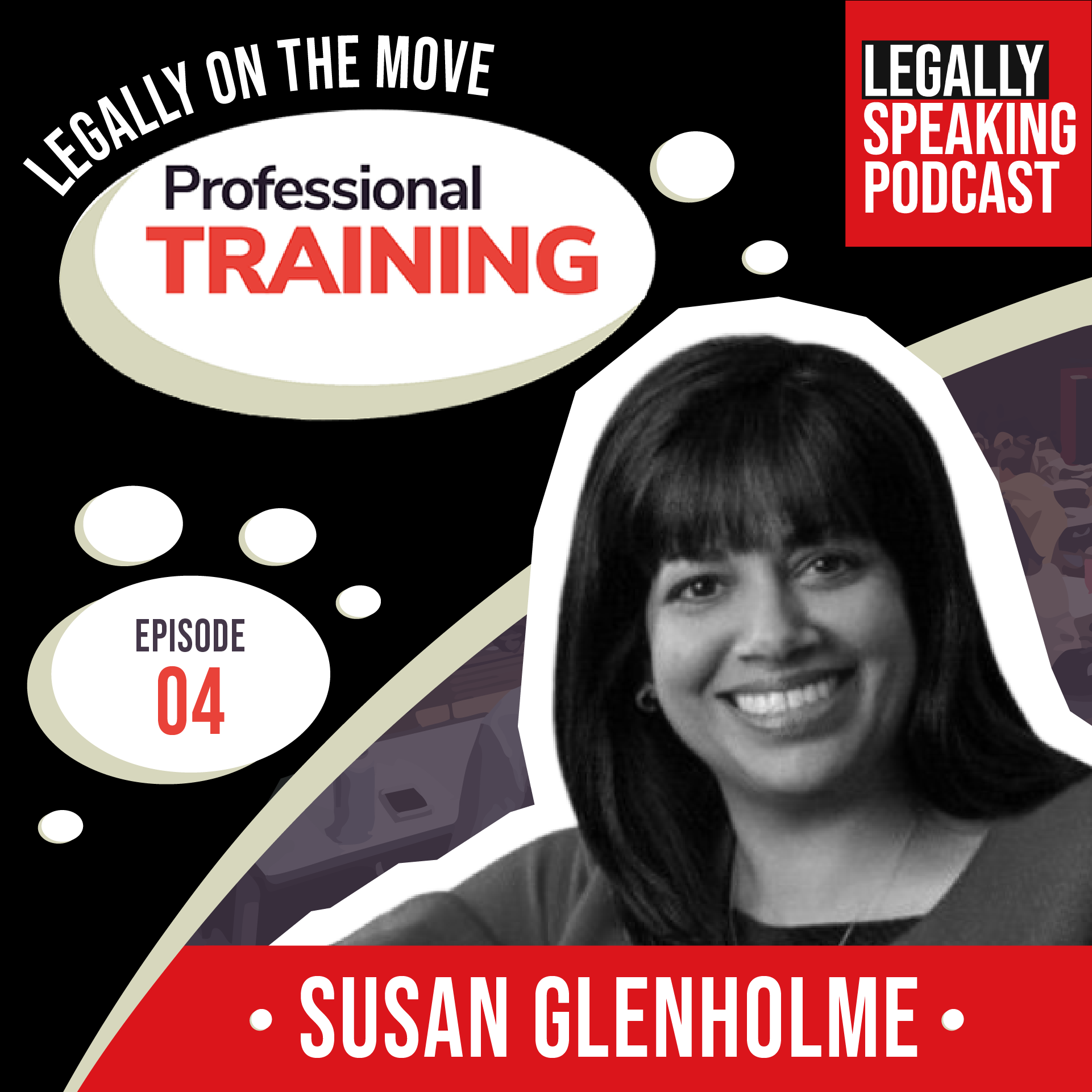
Welcome to the fourth episode of Legally on the Move: Professional Training, our brand new miniseries
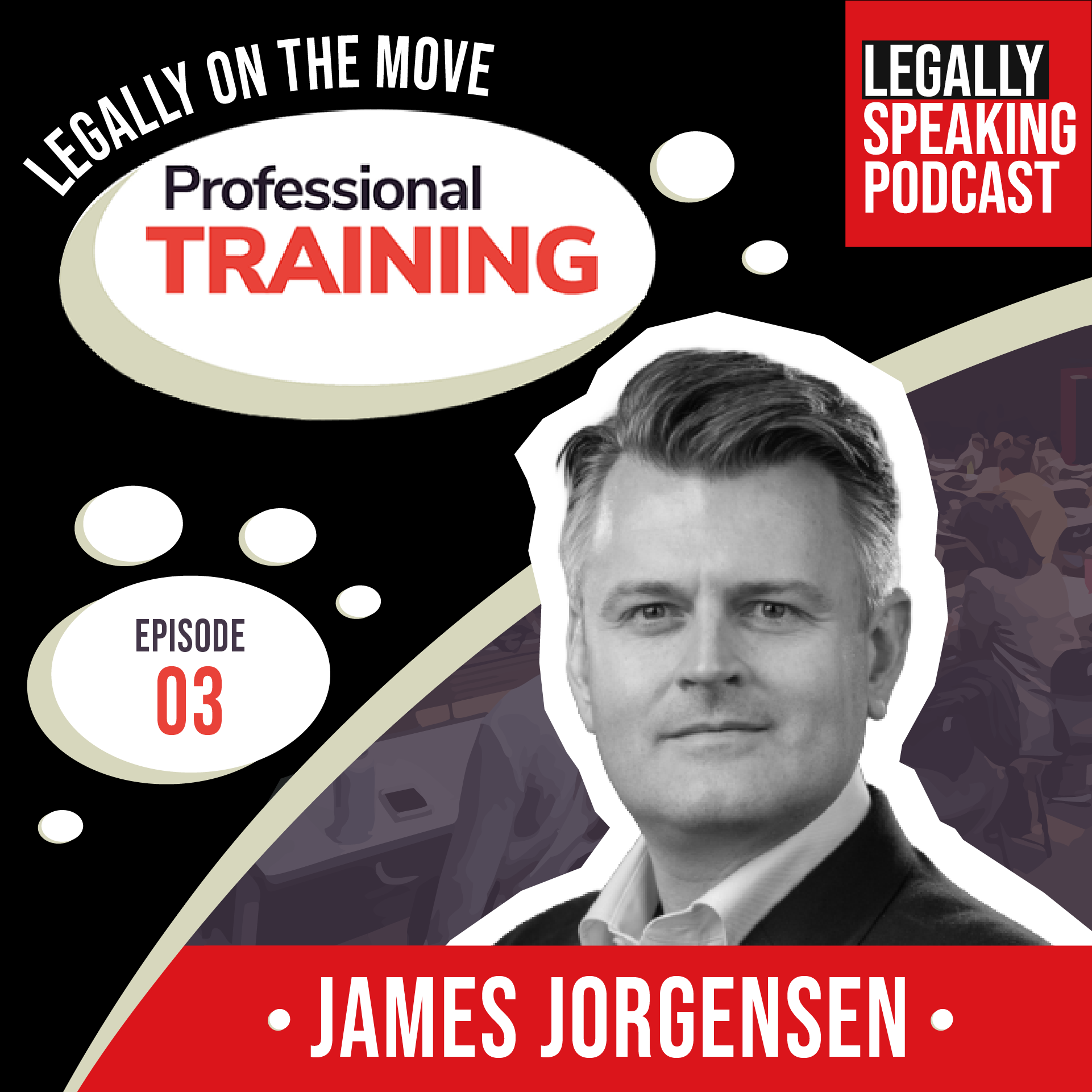
Welcome to the third episode of Legally on the Move: Professional Training, our brand new miniseries
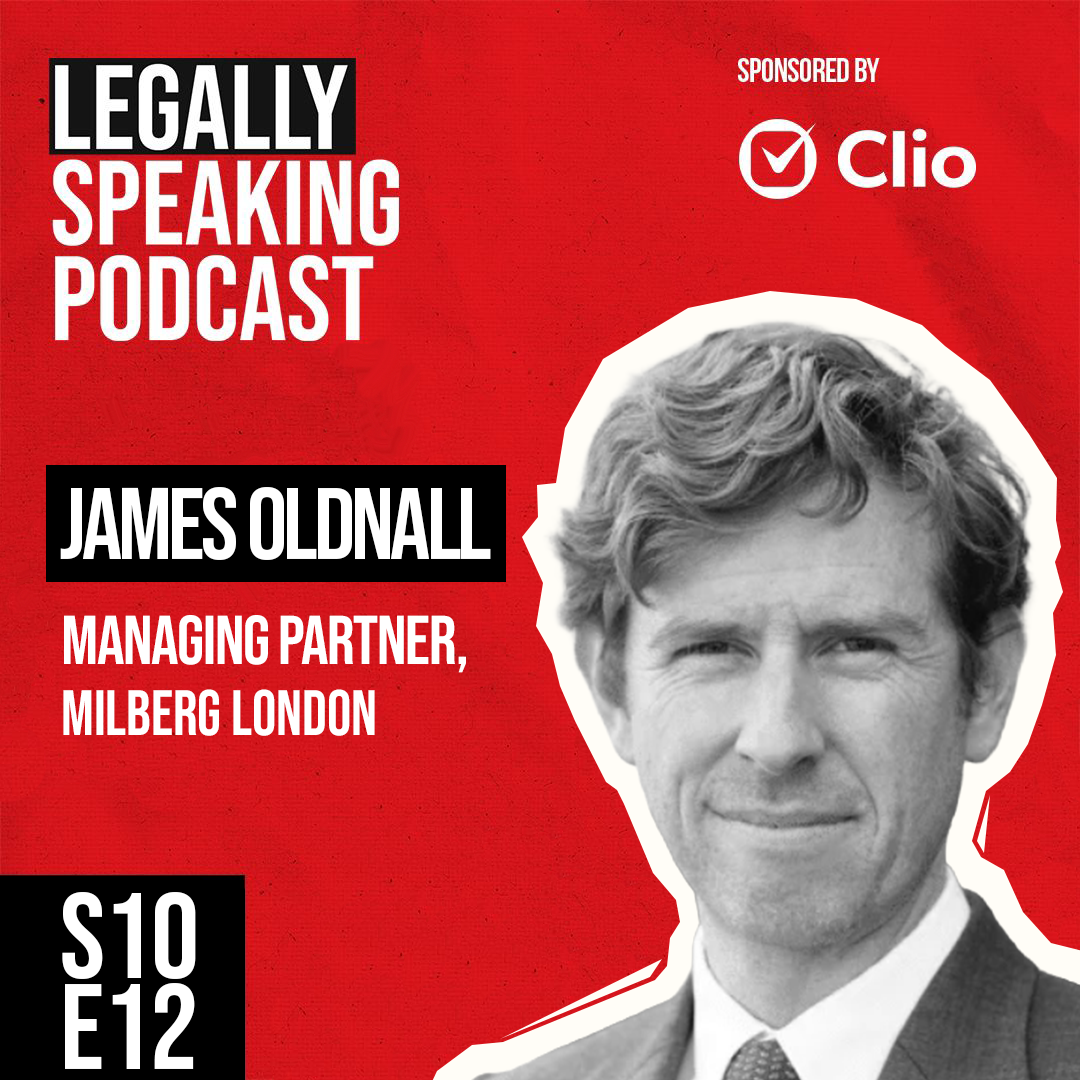
On today’s Legally Speaking Podcast, I’m delighted to be joined by James Oldnall. James is the
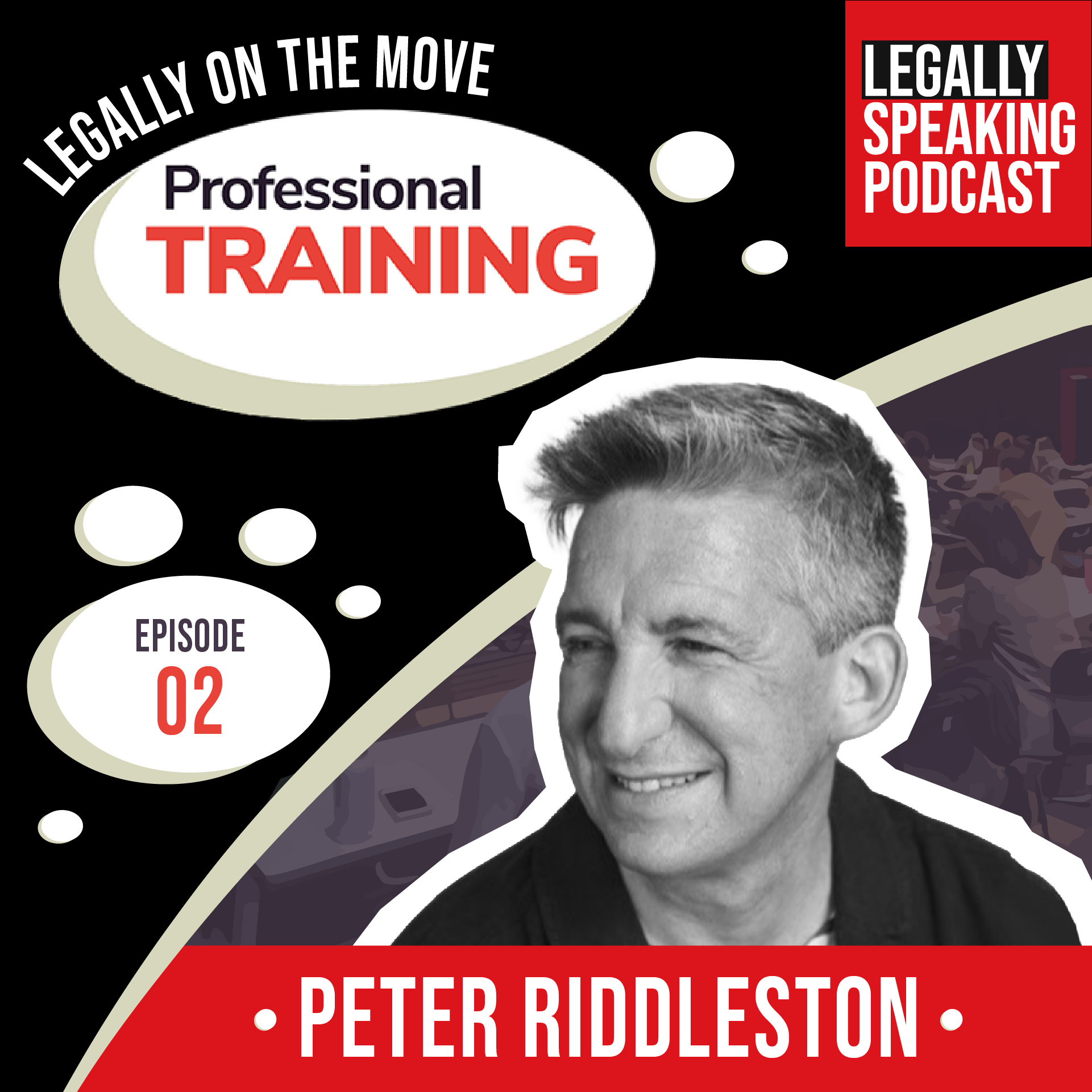
Welcome to the second episode of Legally on the Move: Professional Training, our brand new miniseries

*DISCLAIMER* All episodes are recorded at certain moments in time and reflect those moments only. The podcast does not support or associate itself with any inappropriate behaviour or actions that may have occurred after recording.