
Legally on the Move: Professional Training – Peter Riddleston – E02
Welcome to the first episode of Legally on the Move: Professional Training, our brand new miniseries
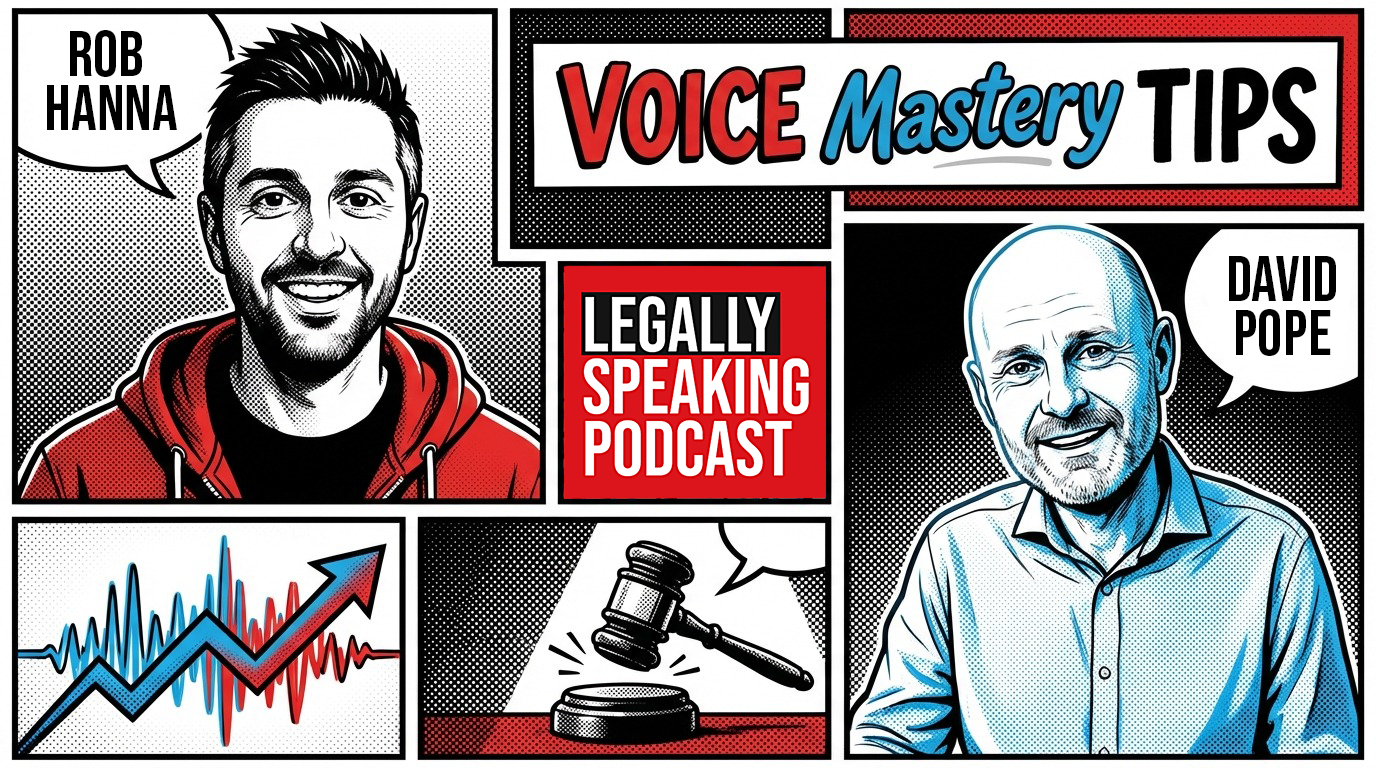
Are you looking to enhance your communication skills, whether for court, client meetings, or panel discussions? Do you feel your voice doesn’t quite convey the authority, warmth, or authenticity you desire? You’re not alone. Many legal professionals struggle with projecting confidence and engaging their audience effectively. This post distills insights from seasoned executive voice coach David Pope, who has helped thousands of legal experts around the world elevate their speaking game. Discover practical strategies to improve your voice, reduce nerves, and connect more authentically with your audience.
Let’s dive into the key elements that can transform your spoken communication from average to impactful.
Your voice isn’t just about the words you say; it’s your primary tool for influence and connection. As David Pope highlights, “The voice that we hear when we’re speaking is not the voice that other people hear.” We often perceive our voice differently because of how sound waves and vibrations enter our ears. This disparity can lead to discomfort or self-doubt when hearing ourselves recorded.
The significance of voice in legal and professional settings
Legal professionals rely heavily on clarity, authority, and persuasion—whether delivering a court argument or conducting negotiations. Your tone, pace, and presence influence how your message is received and whether you’re perceived as credible and compelling.
Key takeaway:
Your voice can build trust, showcase expertise, and differentiate you in a crowded field—if you learn how to harness it properly.
Trusting Your Own VoiceMany clients come to David with the desire to sound like famous speakers such as Obama or Oprah, believing that mimicking their tone will project authority. However, “You don’t need to sound like someone else to shine,” says David. Authenticity resonates more than imitation. Elizabeth Holmes, for example, tried to imitate a deep, authoritative tone but appeared inauthentic—highlighting that “trust your own voice” is critical.
Questions to ask yourself:
If the answers are yes, then you’re on the right track. The secret is to embrace your natural timbre, energy, and pacing rather than contriving a persona.The Balance of Authority and WarmthLeaders often fear sounding overly authoritative and losing warmth. Yet, research by the Center for Talent Innovation shows that “gravitas” – or presence – remains a core element of executive leadership. The key isn’t deep, booming tones alone, but balancing authority with warmth and energy.
Practical tip:
Resist the temptation to sound overly deep or stern. Incorporate pauses, vary your pitch, and add genuine warmth. This authenticity makes you more relatable and powerful.
1. Record, Listen, Love Your Voice: David emphasizes that “record yourself and listen back.” This helps you identify fillers like “you know,” “sort of,” or “obviously,” and assess your pacing and tone. Over time, this awareness boosts confidence.
2. Master Your Breathing and Articulation: Nerves can cause rapid speech or mumbling. Diaphragmatic breathing, practiced through exercises like expanding your chest and practicing slow inhalations, creates calm and power. Clear pronunciation and enunciation combat fast, nervous speech.
3. Vary Your Pace and Use Vocal Variety: Avoid speaking too fast or monotonously. Varying your pace and pitch adds energy and engagement. For example, slowing down for key points and emphasizing certain words makes your message more compelling.
4. Manage Nervousness with Physical Grounding: “There’s a word, glossophobia,” David says, describing the common fear of public speaking. Techniques like the ‘winner’s pose’ (hands raised crossing the finish line) and diaphragmatic breathing can calm nerves. Practice these exercises before court appearances or presentations.
Preparation is KeyBefore a panel, “meet with your fellow speakers and agree on who answers each question,” advises David. This prevents dominating or awkward overlaps.
Vary pace and project your voice. Practice pausing and breath control to sustain strength.
Filler Words and Monotony
Eradicate “like,” “obviously,” and practice intonation. Such nuances inject energy and keep your audience engaged.
Balancing Authority with Warmth
Don’t fear sounding authoritative—focus instead on authentic energy. Use tone and volume intentionally to convey both confidence and warmth.
Before stepping into court, take active steps.
These build presence and reduce cortisol-driven nerves.
Practice and Preparation
“Practice, practice, practice,” David stresses. The more you rehearse, the more confident you’ll feel when it matters most.
Ultimately, “the best way to project confidence is to trust your own voice,” states David. Instead of copying others, embrace your natural speaking style, balanced with well-honed techniques. Authenticity, combined with preparation and breathing awareness, fosters trust and authority—key assets in legal and professional settings.
Next steps:
Remember: Your voice is your greatest asset—use it wisely.
Why do I dislike hearing my own voice recordings?
Because we hear our voice differently internally, feeling vibrations in the chest and head. When we hear recordings, the voice sounds weaker and more treble than what we perceive. Regular recording and listening increase self-awareness and confidence.
How can I manage nerves before a court appearance?
Use grounding exercises like the winner’s pose, diaphragmatic breathing, and articulating clearly. Practice these regularly to build confidence and reduce stress.
Is it better to imitate famous speakers?
No. Authenticity wins over imitation. Focus on your natural voice and energy rather than copying someone else’s tone.How do I add warmth without losing authority?Balance volume and pitch to sound firm yet approachable. Use pauses, genuine expressions, and energetic intonation to convey both confidence and warmth simultaneously.
What’s the most important aspect of effective communication?
Clarity, authenticity, and engagement. When you speak from a place of genuineness—supported by good vocal technique—you create trust and impact.
Visit allvoicetalent.com for resources, online courses, and personalized coaching. Start your journey toward a more compelling, authentic voice that commands attention and builds trust.
You may also tune in on Goodpods, Apple Podcasts, Spotify, or wherever you get your podcasts!
Give us a follow on X, Instagram, LinkedIn, TikTok and Youtube.
Finally, support us with BuyMeACoffee.
🎙 Don’t forget to join our Legally Speaking Club Community where we connect with like-minded people, share resources, and continue the conversation from this episode.
Sponsored by Clio – the #1 legal software for clients, cases, billing and more!
💻 www.legallyspeakingpodcast.com
📧 info@legallyspeakingpodcast.com
Disclaimer: All episodes are recorded at certain moments in time and reflect those moments only.
Welcome to the first episode of Legally on the Move: Professional Training, our brand new miniseries
Welcome to the first episode of Legally on the Move: Professional Training, our brand new miniseries
On today’s Legally Speaking Podcast, I’m delighted to be joined by Ahmed Elnaggar. Ahmed is the

In today’s rapidly changing legal landscape, understanding how technology, personal branding, and innovative training pathways impact

On today’s Legally Speaking Podcast, I’m delighted to be joined by George Hannah. George is a

Ever wondered how technology is reshaping the way law firms operate and develop their lawyers? With

*DISCLAIMER* All episodes are recorded at certain moments in time and reflect those moments only. The podcast does not support or associate itself with any inappropriate behaviour or actions that may have occurred after recording.